
Low Voltage Switchgear and Sustainability: How Efficient Designs are Reducing Energy Consumption

As the world becomes increasingly conscious of energy consumption and its impact on the environment, industries across all sectors are looking for ways to make their operations more efficient and sustainable. One key area where this transformation is happening is in electrical systems, specifically through the use of Low Voltage Switchgear. These systems play a vital role in controlling, protecting, and isolating electrical equipment, ensuring efficient energy use and contributing to a sustainable future.

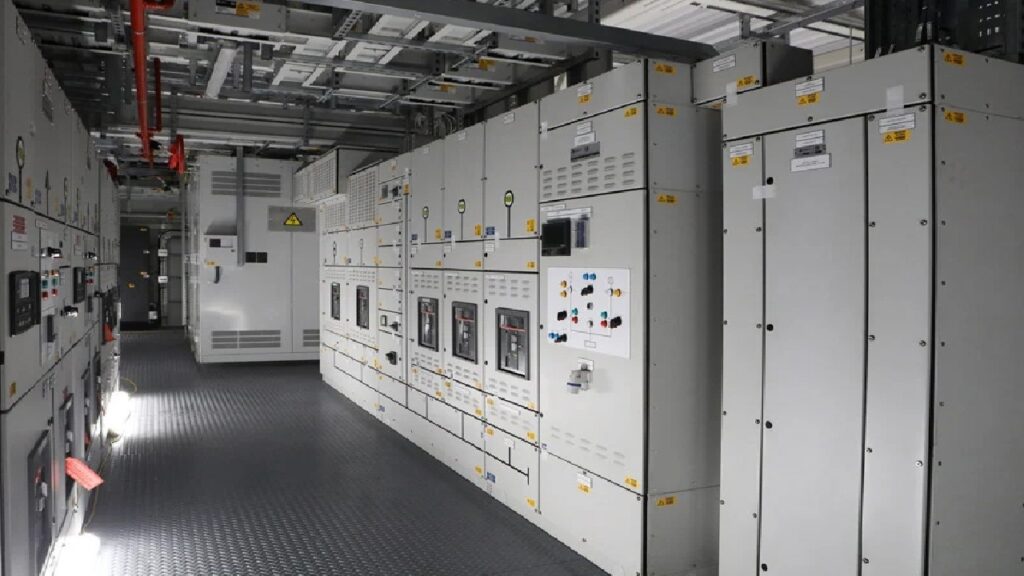
Low Voltage Switchgear is a system designed to manage, control, and protect electrical circuits that operate at low voltages, typically below 1,000 volts. It includes circuit breakers, switches, fuses, and relays that help ensure the safety and functionality of electrical systems in industries, commercial buildings, and residential spaces.

These devices are essential in preventing electrical overloads, short circuits, and other potential faults that can lead to downtime, equipment damage, or even fire hazards. But beyond safety, modern Low Voltage Switchgear is being developed with sustainability in mind, offering improved energy efficiency and reduced environmental impact.
  1. Optimized Energy Use:
    Modern Low Voltage Switchgear is designed to optimize energy distribution and consumption. By managing the electrical load more efficiently, it ensures that power is only directed where it’s needed, reducing wastage. For instance, advanced circuit breakers can monitor electrical loads in real-time, automatically adjusting the power flow to prevent energy loss.
  2. Smart Monitoring and Control:
    Today’s Low Voltage Switchgear systems often come with smart technology integration, allowing for real-time monitoring and control of energy usage. This smart switchgear can communicate with other systems, providing data on energy consumption, enabling businesses to track inefficiencies, and make informed decisions on how to improve their energy use.
  3. Improved System Longevity:
    By preventing electrical faults and ensuring the system runs smoothly, Low Voltage Switchgear extends the life of electrical equipment. This, in turn, reduces the need for frequent replacements, contributing to a more sustainable approach by minimizing waste and the resources needed for new equipment production.
  4. Read more.....

Comments

Popular posts from this blog

Understanding Switchgear Basics

Switchgear is an essential component in electrical systems, helping to manage, protect, and control power flow. Whether it’s for industrial setups or commercial buildings, switchgear ensures that electrical circuits function safely and efficiently. With the growing demand for safe power distribution, it’s important to understand what switchgear is and how it works. What is Switchgear? Switchgear is a combination of electrical disconnect switches, circuit breakers, and fuses that control, protect, and isolate electrical equipment. It is used to de-energize equipment for maintenance or to clear faults in a power system. Without  low voltage switchgear , it would be extremely dangerous and challenging to manage electrical systems, especially in large-scale operations. Switchgear is broadly classified into two types based on the voltage level: low voltage (LV) and high voltage (HV).  Low-voltage switchgear  is typically used in buildings, data centers, and industrial faciliti...

How to Choose the Right Telemecanique Photoelectric Sensor for Your Application

Choosing the right photoelectric sensor for your specific application can be a game-changer in optimizing efficiency and performance in various industries. Telemecanique, a leading brand in automation and control, offers a wide range of photoelectric sensors designed to meet diverse needs. At Balaji Switchgears, we understand the importance of selecting the right sensor for your application, ensuring optimal performance and reliability. Understanding Telemecanique Photoelectric Sensor Types Telemecanique offers several types of photoelectric sensors, each with unique characteristics and advantages. Understanding these  Telemecanique photoelectric sensor types  is the first step toward making an informed choice. 1. Through-Beam Sensors Through-beam sensors consist of a separate emitter and receiver. The emitter projects a beam of light towards the receiver, and the sensor detects the object when the beam is interrupted. These sensors are ideal for applications requiring long se...

Why Power Factor Correction Panels Are Essential

In today’s energy-conscious world, optimizing power consumption has become a top priority for businesses and industries. Power factor correction (PFC) panels play a crucial role in improving power quality and reducing energy costs. In this blog post, we’ll delve into the importance of PFC panels and how they can benefit your operations. Understanding Power Factor Power factor is a measure of how efficiently electrical power is being used. It’s the ratio of real power (used to do work) to apparent power (total power supplied). Ideally, a power factor of 1 indicates maximum efficiency, but in reality, most electrical systems have a lagging power factor due to inductive loads like motors and transformers. The Impact of Low Power Factor A low power factor can lead to several negative consequences: Increased Energy Costs: Lower power factor results in higher electricity bills as utilities often charge penalties for poor power quality. Reduced System Capacity: Inefficient power utilization c...