In today’s rapidly evolving energy landscape, the integration of renewable energy sources is crucial. Schneider Electric, a global leader in energy management and automation, offers innovative solutions to enhance the efficiency and reliability of renewable energy systems. Let’s explore how Schneider’s Battery Energy Storage System (BESS) plays a pivotal role in this context.
The Importance of BESS in Renewable Energy
Energy Security and Resilience
As climate change intensifies, ensuring energy security becomes paramount. Schneider’s BESS captures energy from solar panels, wind turbines, or other sources, storing it in rechargeable batteries. During grid outages or disruptions, BESS seamlessly kicks in, providing uninterrupted power supply. This resilience is essential for critical facilities, homes, and businesses alike.
Versatility of Distributed Energy Resources (DER)
BESS serves as a versatile DER, offering multiple benefits:
– Demand Management: By reducing peak demand charges, BESS optimizes energy costs.
– Renewable Self-Consumption: Excess energy generated by solar panels can be stored and used when needed.
– Decarbonization: BESS minimizes reliance on fossil fuels, contributing to a greener planet.
– Variable Generation Smoothing: Balancing intermittent renewable sources ensures stable energy supply.
Key Features of Schneider’s BESS
1. Integrated Design: Schneider’s BESS components—battery modules, racks, management system, power conversion unit, and controller—are seamlessly integrated. This streamlines installation, reduces costs, and ensures efficient operation.
2. Scalability: BESS units can be paralleled, allowing for scalability. Whether it’s a small residential system or a large-scale microgrid, Schneider’s BESS adapts to varying energy needs.
3. Software Integration: Schneider’s EcoStruxure Microgrid Operation and EcoStruxure Microgrid Advisor provide real-time monitoring, control, and optimization. This software suite enhances BESS performance and reliability.
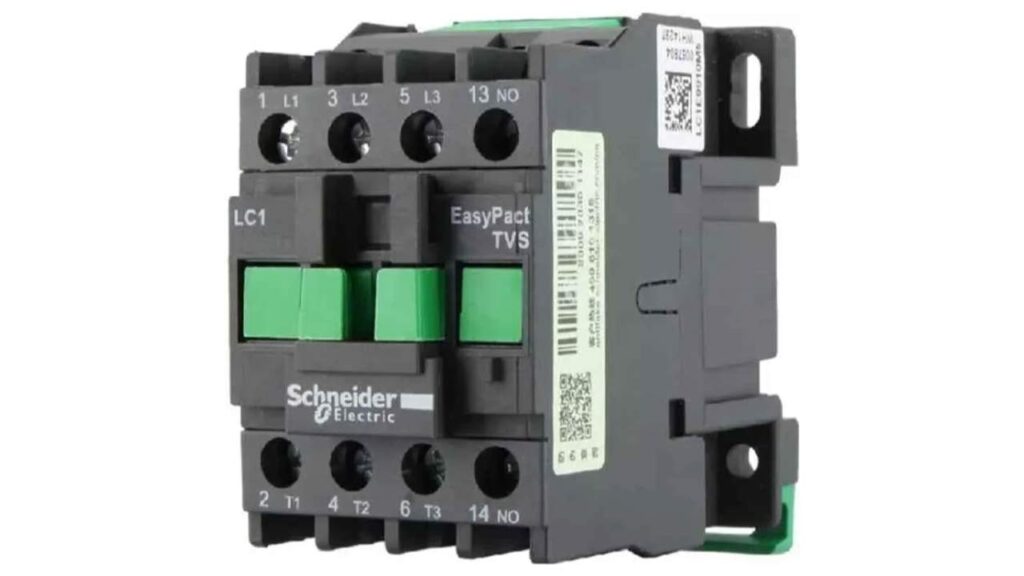
Why Choose Balaji Switchgears as Your Schneider Contactor Supplier?
Schneider Electric, with over two decades of experience in power conversion and battery technology, has established itself as a trusted global leader in energy solutions. Their Battery Energy Storage Systems (BESS) are renowned for undergoing rigorous testing, ensuring unparalleled safety and reliability. One of the standout benefits of BESS is the significant cost savings it offers, thanks to efficient energy storage and utilization. For customers seeking personalized service and local expertise, Balaji Switchgears, as a Schneider Contactor Supplier, provides tailored solutions and dedicated support. Their deep understanding of Schneider Electric’s cutting-edge technology and commitment to customer satisfaction makes Balaji Switchgears a reliable partner in optimizing energy management.
Conclusion
In summary, Schneider’s BESS empowers a sustainable energy future. Whether you’re an energy developer, facility manager, or an environmentally conscious individual, choosing Balaji Switchgears means investing in reliable, eco-friendly solutions.
Originally Published at: https://balajiswitchgears.com/schneider-contactor-solutions-for-renewable-energy-systems/
Comments
Post a Comment